
Conditions We Treat
Expert assessment and treatment for a broad spectrum of mental health conditions, delivered with compassion, respect and confidentiality.
Find the Right Psychiatric Assessment & Treatment
Tell us what you’re experiencing and our team will help you find the most appropriate specialist and next steps.
A neurodevelopmental condition affecting attention, organisation, impulse control and emotional regulation in adulthood.
A lifelong neurodevelopmental difference affecting communication, sensory processing and social interaction.
Conditions characterised by persistent worry, fear or physical symptoms that interfere with daily life.
A mental health condition involving persistent low mood, loss of interest, reduced energy and negative thinking.
A mood disorder marked by episodes of depression and periods of elevated or irritable mood.
A trauma-related condition involving intrusive memories, hypervigilance and emotional distress after traumatic events.
A condition involving intrusive thoughts and repetitive behaviours driven by anxiety and distress.
A state of emotional and physical exhaustion caused by prolonged stress or pressure.
Conditions affecting emotional regulation, relationships, self-image and behavioural patterns.
Mental health conditions involving changes in perception, thinking, beliefs or emotional responsiveness.
Conditions characterised by disordered eating behaviours and concerns around weight, shape or control.
Difficulties with sleep quality, duration or timing that impact mental and physical wellbeing.
Conditions affecting memory, thinking, behaviour and daily functioning, often progressive in nature.
Persistent fear or preoccupation with physical health despite medical reassurance.
Mental health difficulties occurring during pregnancy or after childbirth.
Mental health difficulties occurring during pregnancy or after childbirth.
A long-term condition causing profound fatigue, pain and cognitive difficulties.
A condition characterised by widespread pain, fatigue, sleep disturbance and cognitive symptoms.
A neurodevelopmental condition affecting attention, behaviour and emotional regulation in childhood.
Emotional or behavioural challenges that affect a child’s wellbeing, development or relationships.
ANXIETY DISORDER
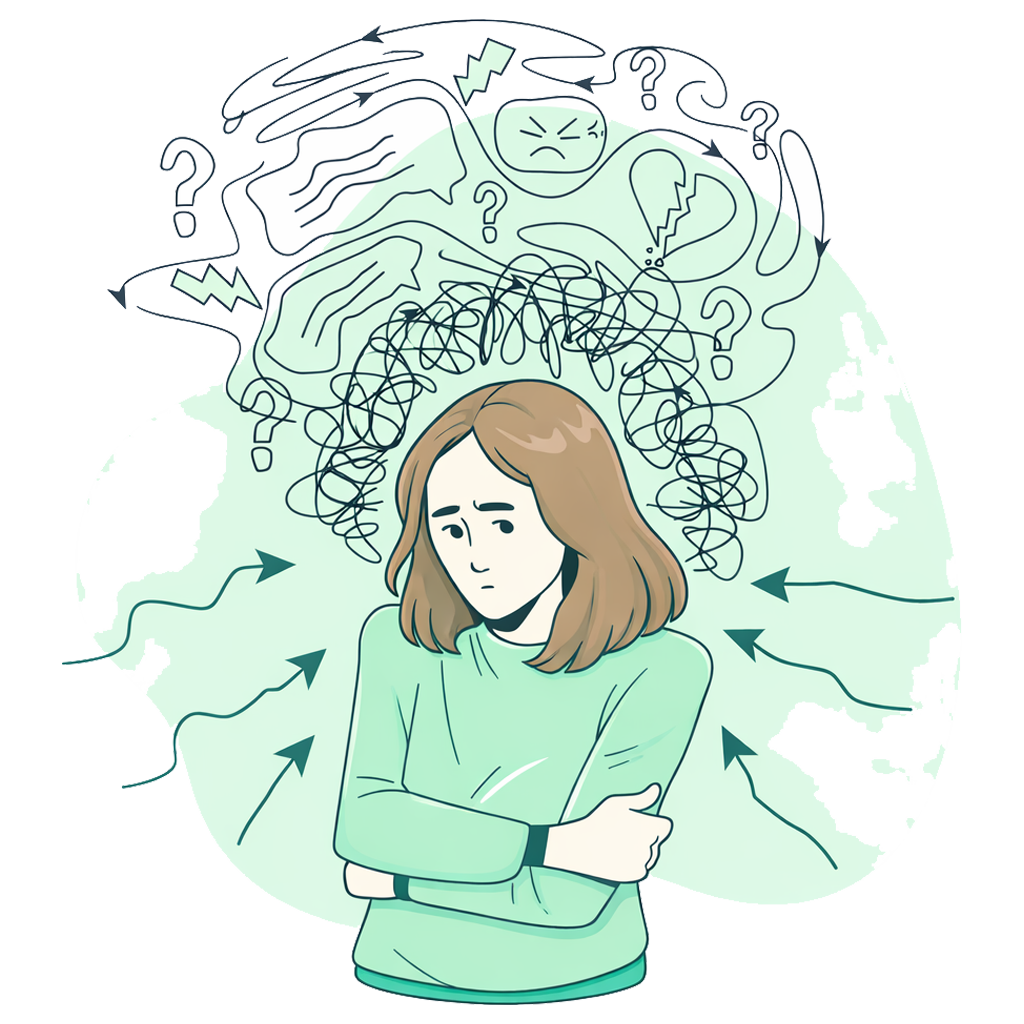
Anxiety disorders occur when feelings of worry, fear or tension become persistent, excessive or difficult to control. While anxiety is a normal human response to stress, an anxiety disorder affects the nervous system in a way that keeps the body in a heightened state of alert even when there is no immediate threat. Symptoms can include constant worry, restlessness, panic attacks, muscle tension, racing thoughts and physical sensations such as a fast heartbeat or nausea. Anxiety disorders are among the most common mental health conditions in the UK.
You may benefit from professional support if anxiety is interfering with your sleep, relationships, work or daily functioning. Many people delay seeking help, believing they should be able to “cope”, but early intervention is associated with better outcomes. Anxiety that leads to avoidance behaviours, frequent panic attacks or physical symptoms should be assessed by a clinician. Support is particularly important if anxiety has been present for several months or is worsening.
Anxiety can limit confidence, reduce quality of life and lead to withdrawal from social or occupational activities. Loved ones may notice irritability, reassurance-seeking or avoidance and may feel unsure how best to help. Over time, untreated anxiety can increase the risk of depression, burnout or physical health problems. Understanding anxiety as a medical condition often helps both individuals and families respond with greater compassion.
NICE-recommended treatments include psychological therapies such as cognitive behavioural therapy (CBT), lifestyle interventions and, where appropriate, medication. Many people experience significant improvement within weeks to months of starting treatment. Learning to regulate the nervous system, challenge anxious thinking patterns and reduce avoidance behaviours is central to recovery.
At Oxford Psychiatry Group, we provide comprehensive assessments to understand the type and drivers of your anxiety. Treatment plans are tailored to your needs and may include therapy, medication and practical coping strategies. Our clinicians work calmly and collaboratively, helping you regain a sense of safety, confidence and control.
DEPRESSION
Depression is a common mental health condition that affects mood, thinking, motivation, physical wellbeing and energy levels. It is characterised by persistent low mood, loss of interest or pleasure, fatigue, changes in sleep or appetite and feelings of hopelessness or guilt. Depression is not a sign of weakness and cannot be resolved simply by “thinking positively”. It reflects changes in brain chemistry alongside psychological and social factors.
If low mood lasts for more than two weeks or begins to affect daily functioning, professional assessment is recommended. Early support can prevent symptoms from becoming more severe or long-lasting. Depression should always be assessed urgently if there are thoughts of self-harm or suicide. Seeking help early is a sign of strength, not failure.
Depression can make everyday tasks feel overwhelming and may lead to withdrawal from relationships or responsibilities. Loved ones often notice changes in mood, energy or engagement and may feel worried or helpless. The condition can strain relationships, work performance and physical health if left untreated. Open communication and understanding can reduce isolation for everyone involved.
NICE guidance recommends a combination of psychological therapies, lifestyle support and medication where appropriate. Treatment is tailored to the severity of symptoms and individual preferences. Most people experience significant improvement with the right support, although recovery may be gradual rather than immediate.
We offer thorough psychiatric assessments and personalised treatment plans for depression. Our approach integrates clinical expertise with compassion, supporting you through recovery with regular follow-up and clear guidance. The aim is not just symptom relief, but long-term emotional wellbeing and resilience.
ADHD (ADULTS)
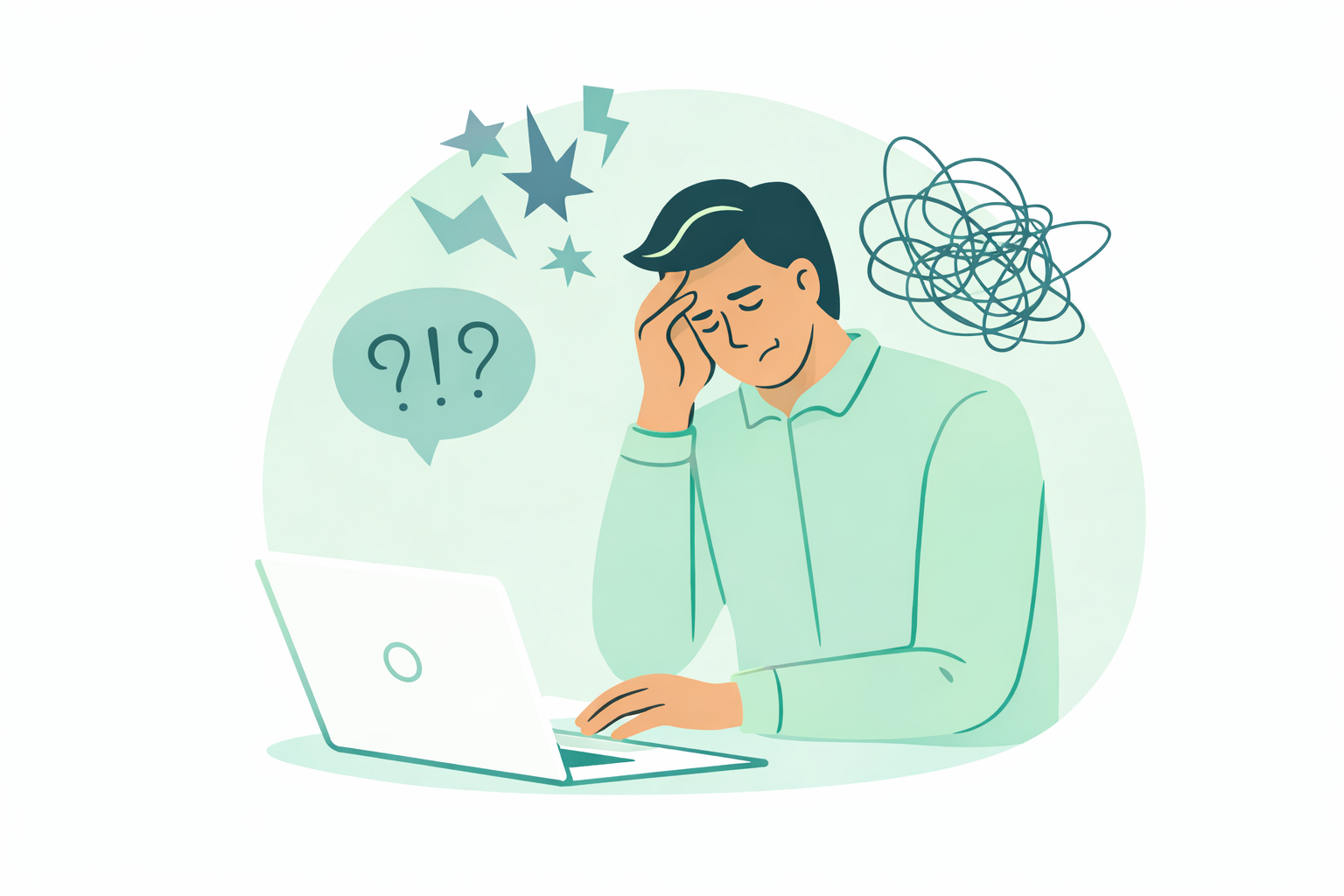
Attention Deficit Hyperactivity Disorder (ADHD) is a neurodevelopmental condition that affects attention, organisation, impulse control and emotional regulation. In adults, symptoms often include distractibility, forgetfulness, difficulty prioritising tasks, restlessness and feeling emotionally overwhelmed. ADHD is linked to differences in brain development and dopamine regulation. Many adults remain undiagnosed until later in life.
Assessment is recommended if lifelong difficulties with focus, organisation or emotional regulation are affecting work, relationships or self-esteem. Many adults seek help after experiencing burnout, anxiety or repeated struggles despite effort and ability. A clear diagnosis can be life-changing, providing understanding and access to effective treatment. ADHD assessments should follow NICE-approved pathways.
ADHD can affect employment, relationships and daily routines. Loved ones may misinterpret symptoms as carelessness or lack of effort, leading to frustration on both sides. Individuals often internalise years of criticism, which can impact confidence and mental health. Understanding ADHD helps families and individuals respond with clarity and compassion.
Treatment may include medication, which is highly effective for many adults, alongside behavioural strategies, coaching and psychological support. NICE guidance emphasises a multimodal approach tailored to individual needs. With appropriate treatment, many people experience marked improvements in focus, emotional regulation and quality of life.
We provide gold-standard ADHD assessments, clear diagnostic reports and ongoing treatment support. Our clinicians work collaboratively to help you understand your ADHD and develop strategies that work in real life. The focus is on harnessing strengths, reducing overwhelm and building sustainable routines.
Autism Spectrum Disorder (ASD)
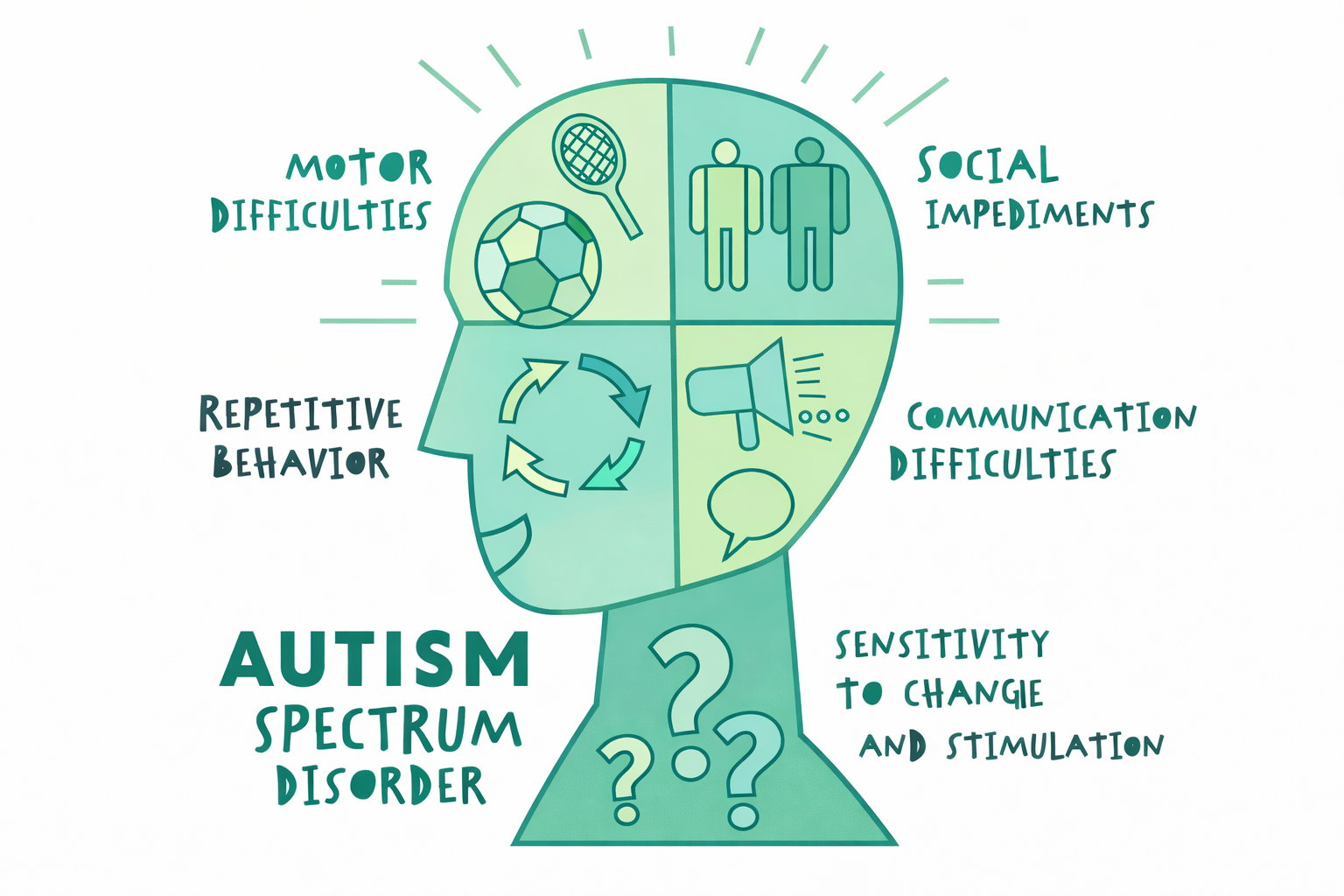
Autism is a neurodevelopmental condition that affects communication, sensory processing, social interaction and emotional regulation. Autistic adults may experience sensory sensitivities, social fatigue, masking behaviours or intense interests. Autism is not an illness and does not need to be cured. It represents a different way of experiencing and processing the world.
Adults may seek assessment if they have long felt “different”, overwhelmed in social settings or exhausted by masking. A diagnosis can bring clarity, self-acceptance and access to appropriate support. Assessment is particularly helpful if difficulties are affecting mental health, work or relationships. NICE guidance supports autism assessment at any age.
Autism often has other psychological difficulties associated with it such as anxiety and depression. These may need additional management plans such as medication and/or therapy.
Support for Autism focuses on self-understanding, environmental adjustments and coping strategies. There is no single treatment, as needs vary widely. Practical support can significantly improve wellbeing and daily functioning.
Support focuses on self-understanding, environmental adjustments, coping strategies and, where helpful, therapy for associated anxiety or low mood. There is no single treatment, as needs vary widely. Practical support can significantly improve wellbeing and daily functioning.
We provide respectful, neurodiversity assessments and post-diagnostic guidance and management plan. Our clinicians help individuals understand their strengths and challenges and navigate work, relationships and daily life with greater confidence. Support is always collaborative and individualised.
PTSD & TRAUMA-RELATED DISORDERS
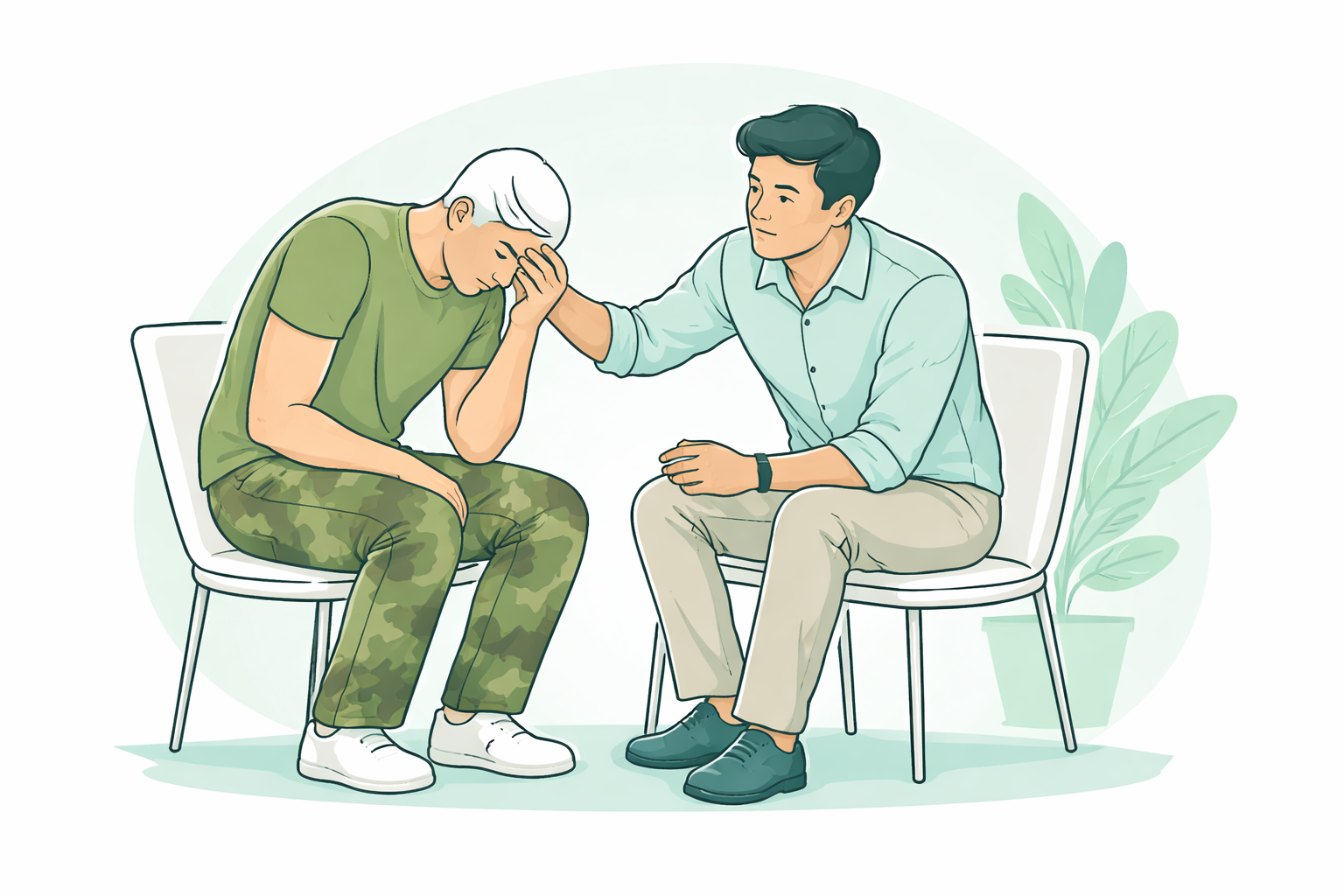
Post-traumatic stress disorder (PTSD) can develop after experiencing or witnessing traumatic events. Symptoms include intrusive memories, flashbacks, nightmares, hypervigilance, emotional numbness and avoidance. These responses reflect the brain remaining in survival mode. PTSD can occur immediately after trauma or develop months or years later.
Professional support is recommended if trauma symptoms persist beyond several weeks or interfere with daily life. Avoidance, sleep disturbance or emotional distress are important indicators. Early trauma-informed care improves outcomes and reduces long-term impact. PTSD should be assessed by clinicians trained in trauma care.
PTSD can affect mood, relationships, sleep and concentration. Loved ones may notice changes in behaviour or emotional availability and may feel unsure how to help. Trauma can create feelings of isolation or misunderstanding. Support for both individuals and families is important.
NICE-recommended treatments include trauma-focused CBT, EMDR and, in some cases, medication. Treatment focuses on safely processing traumatic memories and restoring a sense of safety. Many people experience significant improvement with appropriate care.
We offer trauma-informed assessments and evidence-based treatment pathways. Our clinicians work at your pace, prioritising safety, trust and emotional stability. The aim is recovery, resilience and renewed confidence.
STRESS & BURNOUT
Burnout is a state of emotional, mental and physical exhaustion caused by prolonged stress. It is commonly associated with work but can arise from caregiving, chronic pressure or life demands. Symptoms include exhaustion, reduced motivation, irritability and detachment. Burnout is recognised by the World Health Organization as an occupational phenomenon.
Support is recommended if stress feels unmanageable or symptoms persist despite rest. Burnout often coexists with anxiety or depression and benefits from professional assessment. Early intervention reduces the risk of long-term mental health difficulties. Seeking help before crisis develops is key.
Burnout can strain relationships, reduce patience and affect work performance. Loved ones may notice emotional withdrawal or irritability. Without support, burnout can escalate into more serious mental health conditions. Recovery often requires both personal and environmental changes.
We provide assessments, stress-reduction plans, therapy options and wellbeing tools designed to restore balance and prevent recurrence.
Begin your transformative journey towards better mental health
Your mental wellbeing matters. Start with expert guidance designed around your needs and goals.