Medicinal Cannabis in the UK Since 2018
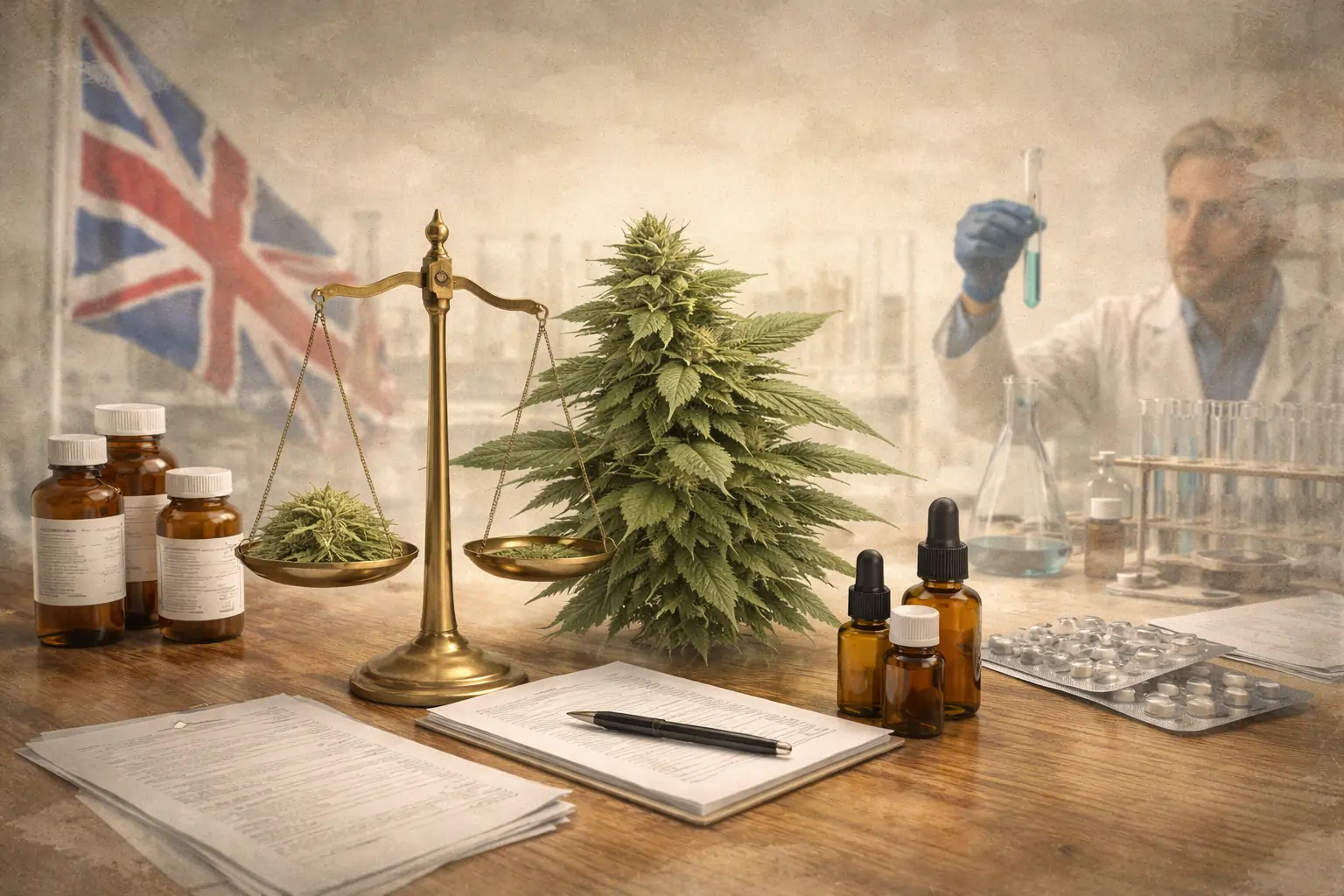
Since medicinal cannabis was rescheduled in the UK in November 2018, the question of whether, and how far, it should be legalised has remained a subject of intense clinical, scientific, and public debate.
Dr Imran Malik’s Evidence to Parliament
In March 2019, Dr Imran Malik, Medical Director at Oxford Psychiatry Group, represented the Royal College of Psychiatrists when giving expert evidence to the House of Lords and the Parliamentary Health and Social Care Select Committee’s inquiry into medicinal cannabis.
The Committee’s report acknowledged strong public interest and compelling anecdotal accounts. However, it ultimately concluded that there was insufficient high-quality clinical evidence to support a broad rollout of cannabis-based medicinal products, particularly for mental health conditions.
NICE Guidance on Cannabis-Based Medicinal Products
This position has remained largely consistent in UK clinical guidance. The National Institute for Health and Care Excellence (NICE) currently recommends cannabis-based medicines only for a small number of indications, such as treatment-resistant epilepsy, chemotherapy-induced nausea, and spasticity in multiple sclerosis.
For conditions such as anxiety, depression, psychosis, and PTSD, NICE continues to advise against routine prescribing outside of research settings, citing concerns about efficacy, safety, and long-term neuropsychiatric risk.
What Research Since 2019 Says About CBD and THC
Since 2019, research has expanded, but the results remain mixed. While some studies suggest potential therapeutic roles for specific cannabinoid formulations, particularly cannabidiol (CBD), others highlight associations between THC exposure and an increased risk of psychosis, mood instability, and cognitive impairment, especially in younger adults.
Why Medicinal Cannabis Policy Requires Caution
The evolution of medicinal cannabis policy therefore demands caution, regulation, and rigorous evidence, rather than assumption or commercial pressure.
As Dr Malik emphasised to Parliament, patient access must be guided by the same standards applied to all medical treatments: robust trials, clear indications, defined risks, and ethical prescribing.
Conclusion: Evidence Must Lead the Debate
The debate over whether medicinal cannabis should be legalised continues, but evidence, not enthusiasm alone, must lead the way.